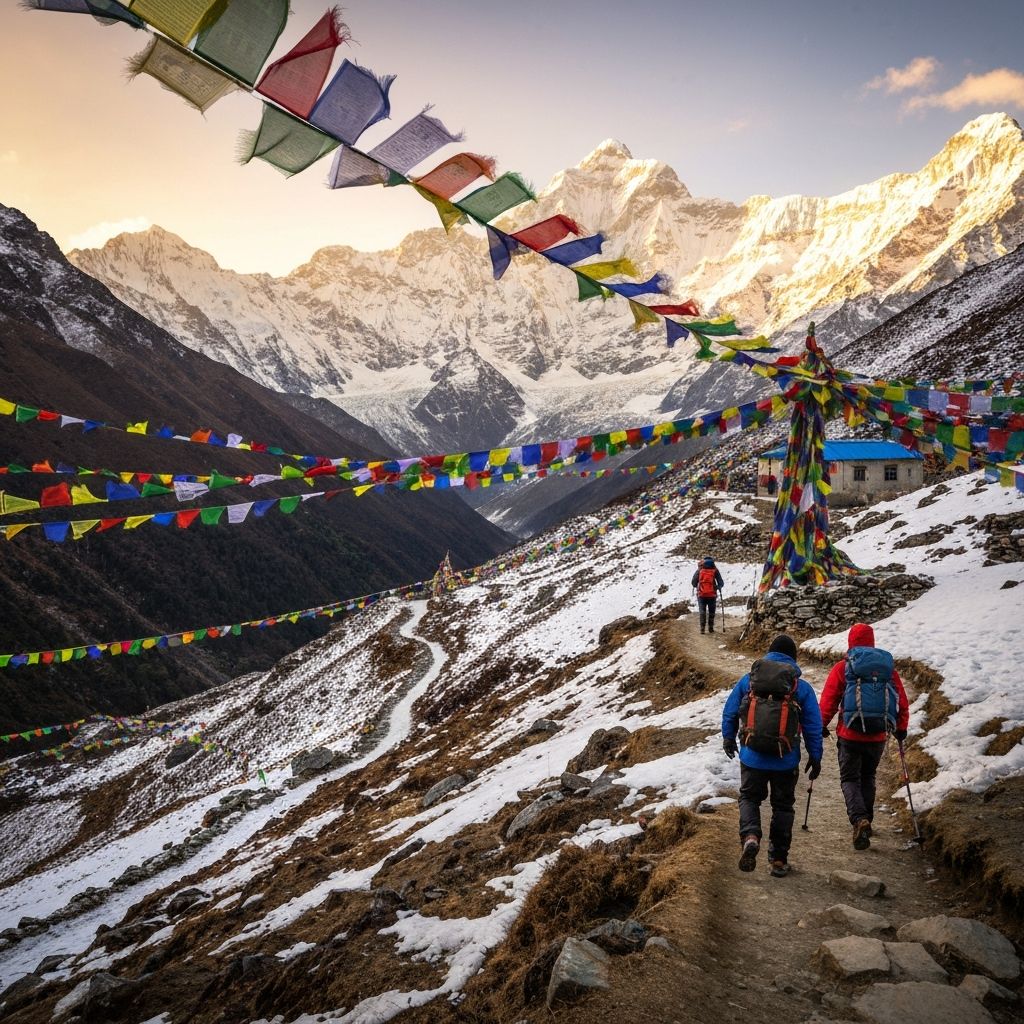
# Understanding Altitude Sickness: Prevention and Treatment
Altitude sickness is one of the most common concerns for trekkers visiting high-altitude destinations. Also known as Acute Mountain Sickness (AMS), it occurs when your body doesn't get enough oxygen at higher elevations.
Symptoms of Altitude Sickness
- •Headache
- •Nausea and loss of appetite
- •Fatigue and weakness
- •Shortness of breath
- •Sleep disturbances
- •Dizziness or lightheadedness
Prevention Tips
1. **Acclimatization** The best prevention is to allow your body time to adjust. Spend extra days at intermediate altitudes before heading to higher elevations. This helps your body produce more red blood cells to carry oxygen.
2. **Hydration** Drink plenty of water - aim for 3-4 liters per day. Dehydration worsens altitude sickness symptoms. Avoid caffeine and alcohol which increase dehydration.
3. **Avoid Rushing** Don't push yourself too hard on the first days. Take it slow and let your body adjust. Remember, there's no prize for speed at altitude.
4. **Nutrition** Maintain energy levels with a balanced diet. High-carbohydrate meals are easier to digest at altitude. Eat small, frequent meals rather than large ones.
5. **Take Rest Days** Don't hesitate to take rest days. This is not a race. One extra day at an intermediate elevation can make all the difference.
When to Seek Help
If symptoms persist or worsen, descend immediately and consult a medical professional. Some important signs to watch for:
- •Severe headache that doesn't respond to pain medication
- •Confusion or difficulty walking
- •Fluid in lungs (crackling sounds)
- •Extreme fatigue
It's always better to be safe. Your health is more important than reaching a destination.
Natural Remedies
While not scientifically proven, some trekkers report benefits from: - Ginger tea for nausea - Honey and lemon water for energy - Coca tea in Peru (though we don't have this in Nepal!) - Early morning walks for light activity
Medications
Consult with your doctor before trekking. Some medications like acetazolamide (Diamox) can help with acclimatization if taken before altitude gain.
Conclusion
Altitude sickness is manageable with proper preparation and attitude. Listen to your body, acclimatize properly, and don't hesitate to descent if needed. Happy and healthy trekking!